Pooja Room Design Ideas for Modern Indian Homes
The pooja room is the spiritual heart of an Indian home. In the temple city of Tirupati, a well-designed mandir brings calm and meaning to daily life. Here are ideas for every home.
Carved wooden mandirs
Traditional teak or rosewood mandirs with fine carving create a timeless, sacred focal point — perfect for homes with space to spare.
Space-saving units for apartments
In compact flats, wall-mounted mandirs, niche designs and pooja units built into a wall or corner keep the space serene without taking over a room.
Materials and finishes
Marble, wood and jaali (lattice) panels are classic choices. Combine them with modern finishes for a look that feels both rooted and contemporary.
Lighting for ambience
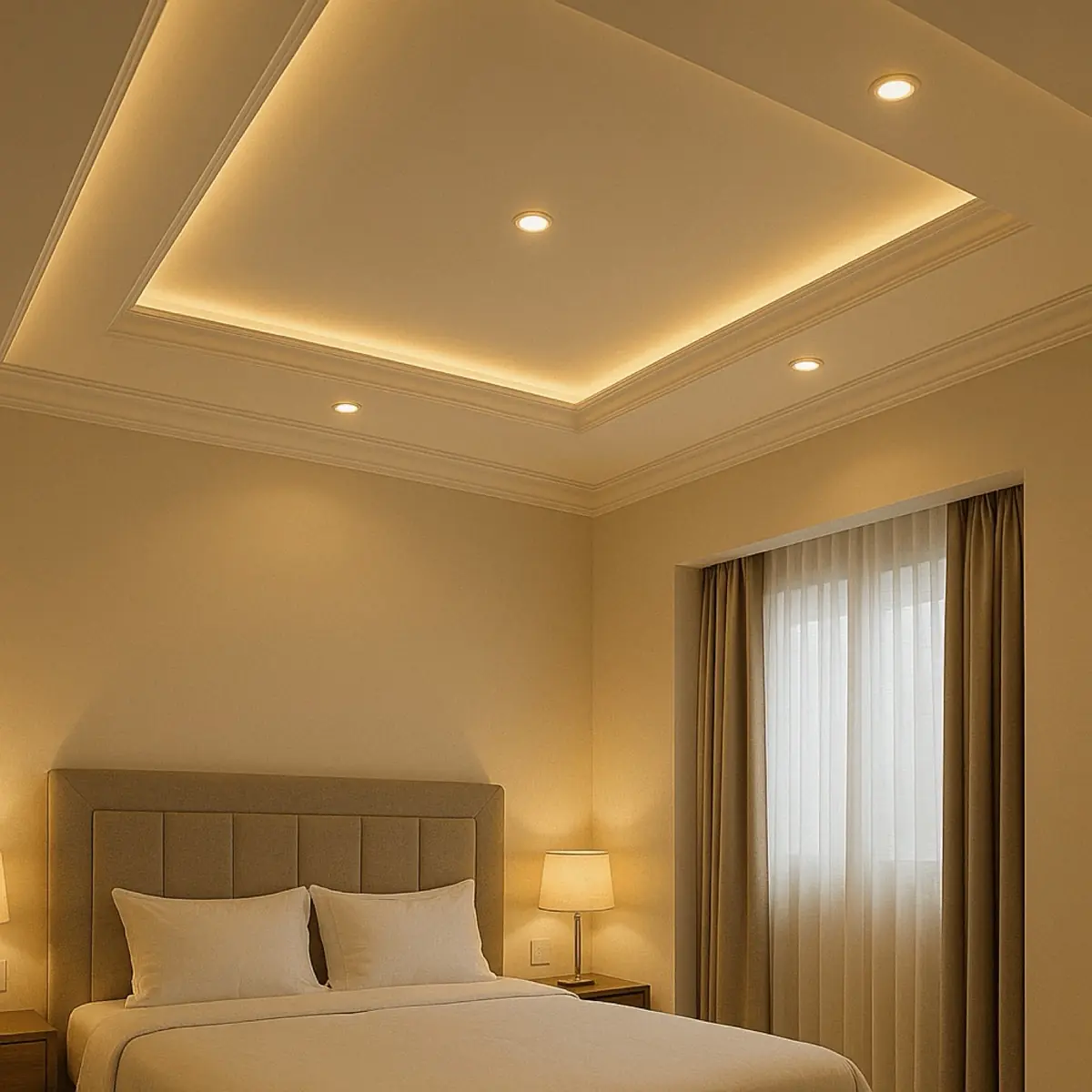
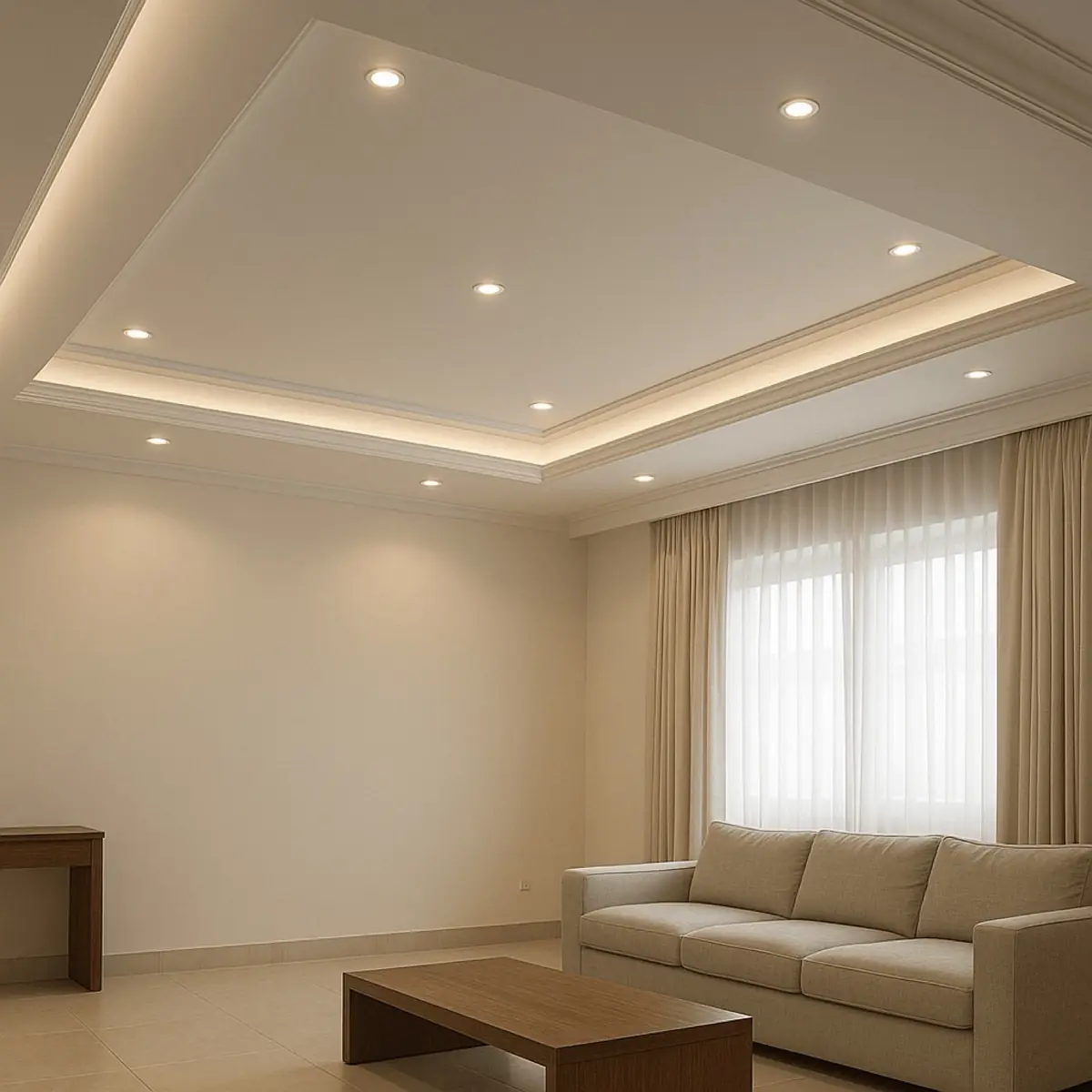
Warm, layered lighting — concealed strips, small spotlights and diyas — creates a calm, uplifting atmosphere for prayer.
Vastu-conscious placement
Traditionally the pooja room faces the north-east, with the deity facing west. Wherever possible, we design with Vastu in mind, aligned to your preferences. A few conventions come up repeatedly in Indian homes: the space should not share a wall with a bathroom, it should not sit directly under a staircase, and the idols are usually raised so they sit at or slightly above the eye level of someone seated. In an apartment where the north-east corner is already the kitchen or a bedroom, most families choose the next best available direction rather than forcing the plan — a pooja space that is used daily in the wrong corner is worth more than a perfect one that never got built.
Planning the practical side
A mandir is a working part of the home, not only a display piece, and the details that make it pleasant to use every day are easy to miss on a drawing.
- A drawer or shelf for lamps, wicks, matchboxes, camphor and agarbatti, so nothing is stored on the floor.
- A heat-tolerant surface directly under the lamps — stone, tile or a metal tray insert rather than bare laminate or veneer.
- A small electrical point inside or beside the unit for the lamp and the concealed lighting, planned during wiring rather than added later as a trailing wire.
- A shallow ledge for prasadam and a flower plate, at a comfortable height for whoever performs the puja.
- Doors or a curtain if the mandir sits in a living or dining space, so it can be closed when the family is entertaining.
Ventilation, smoke and everyday cleaning
Daily lamps, camphor and incense leave residue. In a closed niche with no airflow, that residue settles on the ceiling above the mandir and darkens it within a year. Leave the top of the unit open or slotted, and if the space is fully enclosed plan a small exhaust or keep it near a window. Choose finishes you can actually wipe: a matt laminate or a polished stone back panel cleans far more easily than an intricate carved surface in the direct path of the smoke. Keep the deeply carved work to the frame and the doors, where it is decorative rather than in the line of soot.
Sizing it to the home you actually have
There is a design for every footprint. In an independent house, a dedicated room of even four by five feet allows a full carved mandir with seating for two or three people. In a 3 BHK, a converted utility niche or the space under a staircase works well. In a 2 BHK, a wall-mounted unit two to three feet wide over a low console gives you a proper focal point without giving up floor area. In a studio or a very compact flat, a recessed niche cut into a partition wall — lit, framed and closable — is often the most elegant answer of all. Scale the carving and the ornament to the size: a heavily ornate design in a small niche reads busy, while a simple frame with good lighting reads serene.
Materials that age well
Teak and rosewood remain the traditional choice because they hold fine carving and darken attractively over decades. Marble and other stones suit a cleaner, contemporary look and handle heat and oil well. Jaali panels in wood, brass or MDF let light and air through and cast a pattern that changes through the day. Brass fittings, bells and diya stands add warmth against wood or stone. What to avoid is high-gloss acrylic in a space with daily flame — it shows every smudge and does not take heat well near the lamp.
Frequently asked questions
Where should a pooja room be placed?+
Traditionally in the north-east of the home, with the idols facing west. In apartments, a dedicated niche or wall-mounted unit works well where a separate room isn't possible. Avoid placing it against a bathroom wall or directly beneath a staircase.
What size should a pooja room be?+
A dedicated room of about four by five feet is comfortable for a family. In a flat, a wall-mounted unit two to three feet wide, or a recessed niche in a partition wall, gives you a proper focal point without sacrificing floor space.
Which material is best for a mandir?+
Teak and rosewood for traditional carved units, marble or stone for a contemporary look and better heat resistance. Whichever you choose, keep a heat-tolerant surface directly under the lamps and avoid high-gloss finishes in the path of the flame.
How do I stop the ceiling above the mandir turning black?+
Airflow. Leave the top of the unit open or slotted rather than fully boxed in, keep it near a window or a small exhaust where possible, and choose a wipeable back panel — matt laminate or polished stone — instead of intricate carving directly above the lamps.
Can a pooja room be in the kitchen?+
It's a common arrangement in compact homes and it works, but keep the mandir on a wall away from the sink and the hob, raised on a ledge or in its own niche so it isn't in the line of cooking splash and steam. A closable shutter helps a great deal here.