Top Interior Design Trends for Tirupati Homes in 2026
Home interiors are moving towards warmth, nature and clever functionality in 2026. Here are the trends we're seeing most in Tirupati homes — and how to bring them into your own space.
1. Warm minimalism
Clean, clutter-free spaces are still in — but warmer. Think soft earthy tones, natural wood, and cosy textures rather than stark white. It's calm and contemporary without feeling cold.
2. Natural materials and textures
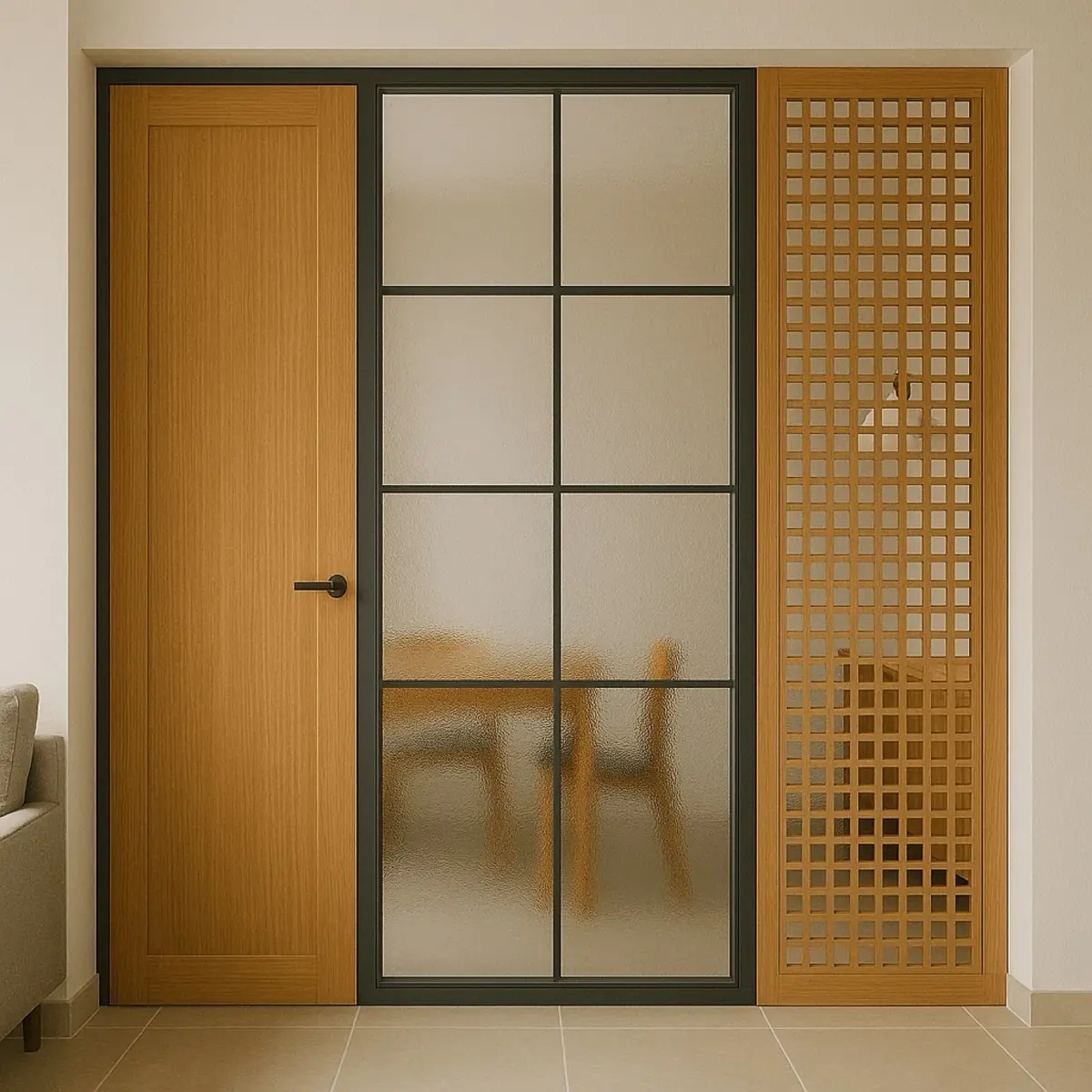
Wood, stone, cane, jute and textured finishes bring character and a tactile, grounded feel. They also age beautifully and suit the local climate.
3. Statement ceilings
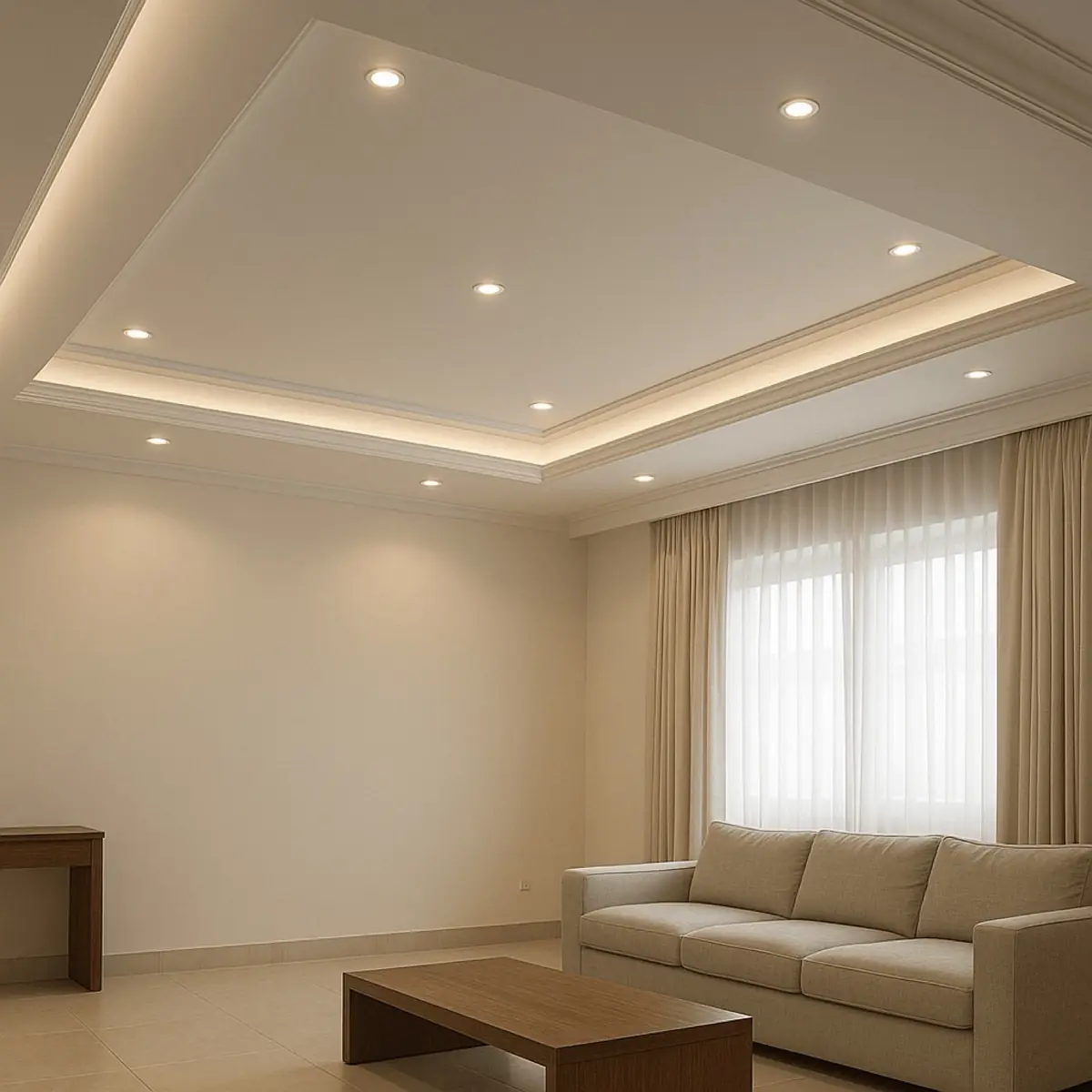
The 'fifth wall' is having a moment. Layered false ceilings with cove and profile lighting add depth and a premium feel to living rooms and bedrooms.
- Cove lighting for soft ambience
- Wooden rafters or panels for warmth
- Simple tray designs for compact rooms
4. Smart, hidden storage
As homes get more compact, built-in and multi-use storage is essential. Lofts, under-bed storage and full-height wardrobes keep spaces clutter-free and calm.
5. Colour drenching and feature walls
A single rich colour across walls, or a bold textured feature wall, adds personality. Terracotta, olive, deep teal and warm neutrals are popular this year.
6. Bringing in greenery
Indoor plants, green accents and biophilic touches make homes feel fresh and healthy — an easy, affordable way to lift any room. The version of this that actually lasts is the one matched to the light you have: pothos, snake plant and ZZ plant survive the low light of an inner corridor, while a rubber plant or a bird of paradise needs a bright balcony-facing window. Built-in planter ledges beside a window seat or along a balcony rail look far better than a scattered collection of pots on the floor, and they keep the floor clear.
7. Fluted and slatted surfaces
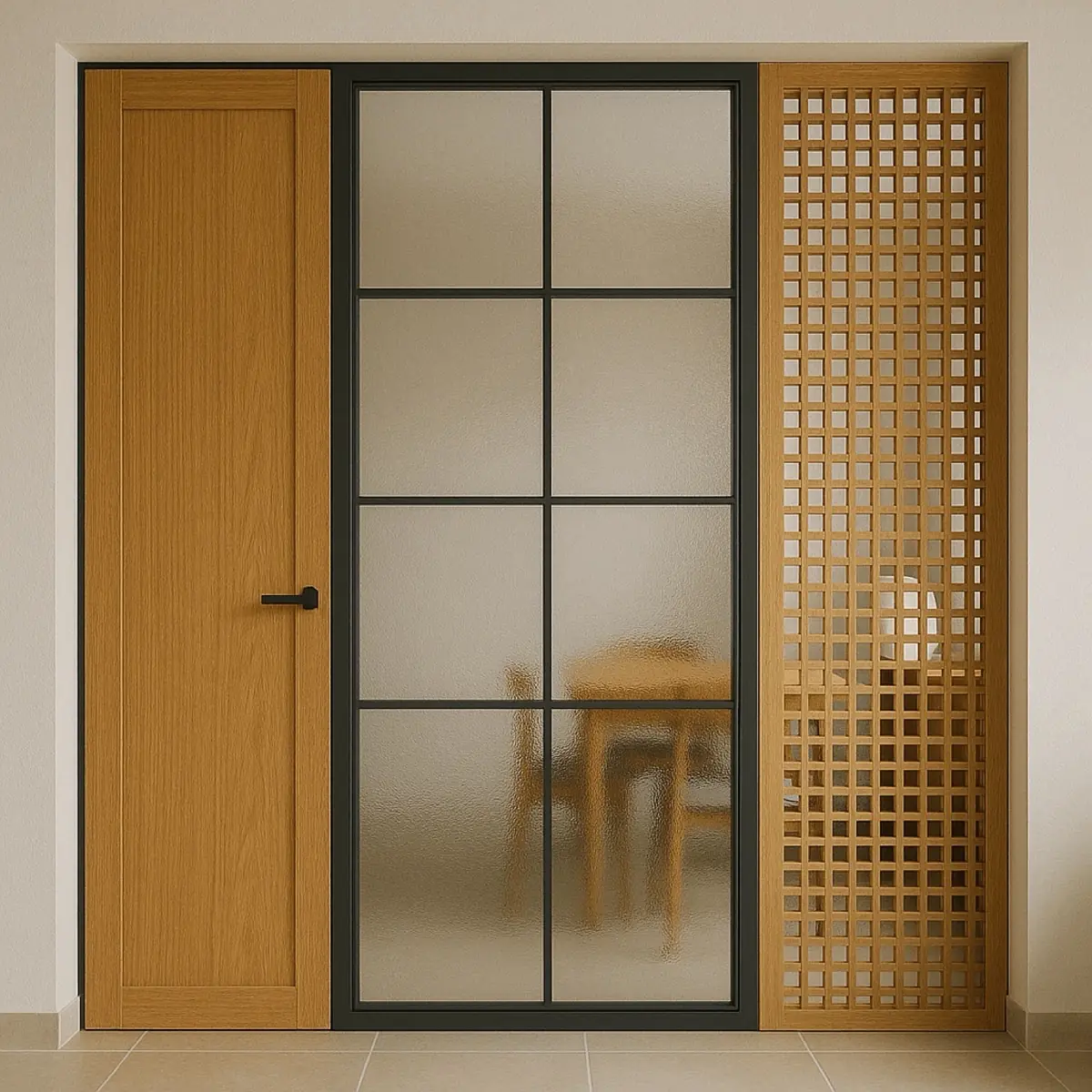
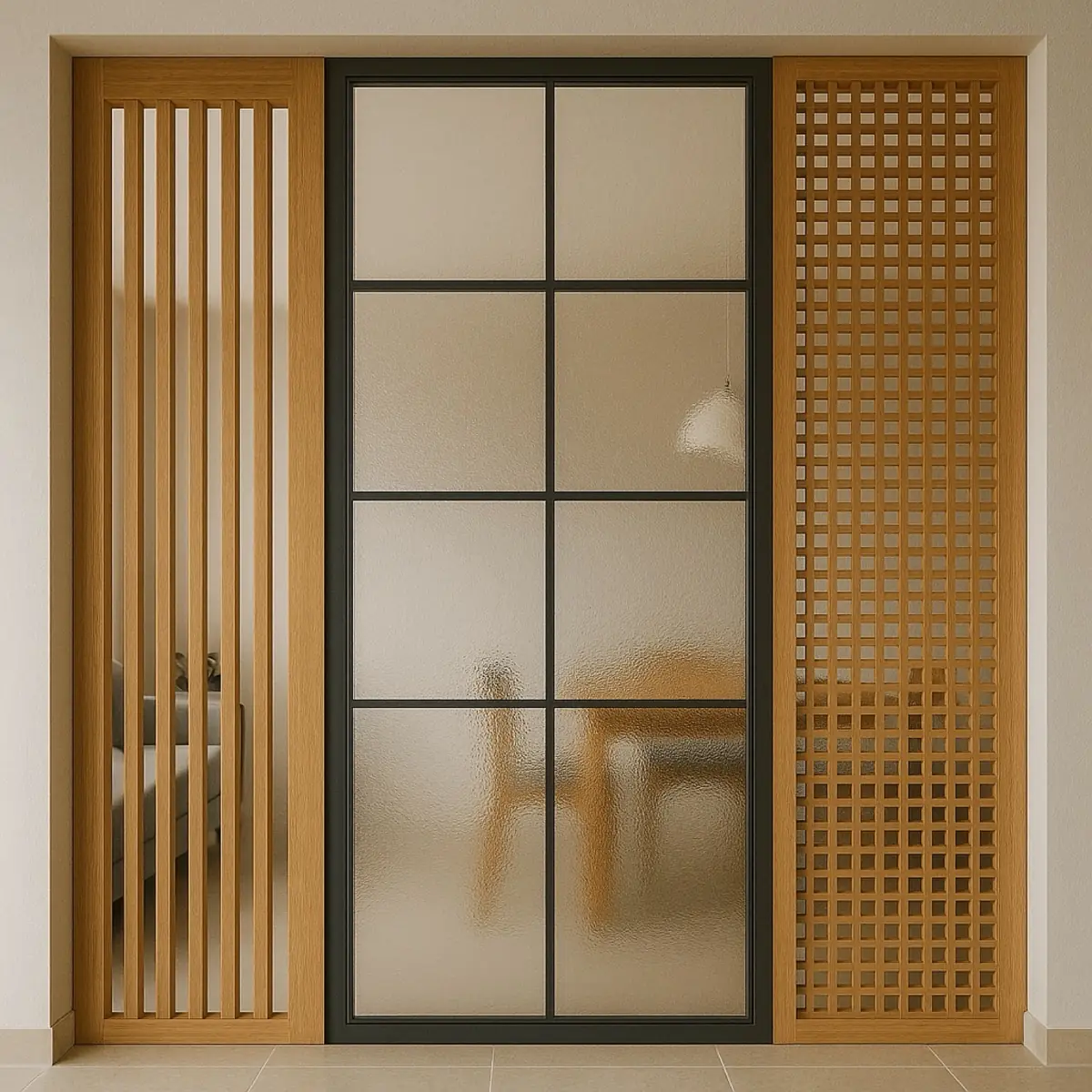
Vertical fluting has moved from restaurant interiors into homes, and it's one of the few texture trends that genuinely earns its place. Slatted wood panels on a TV wall, a headboard or the side of a kitchen island add rhythm and shadow without adding colour, and they soften echo in rooms with a lot of tile and glass. Used sparingly — one wall, one unit — it reads considered. Used on every surface it reads like a showroom.
8. Quieter, more useful technology
The trend has moved away from gadget-for-its-own-sake towards a handful of things people actually use daily: switchable scene lighting so a living room can go from bright to warm with one press, motorised or easy-glide blinds on tall windows that are awkward to reach, sensor lights inside deep wardrobes and under kitchen wall units, and enough well-placed charging points that no one is hunting for an extension board. All of these have to be decided during wiring, which is why the electrical layout is now as much a design conversation as the furniture.
9. Furniture that folds away
As homes get more compact and more people work from home part of the week, pieces that change function are in demand. A slim console that opens into a dining table, a study nook built into the side of a wardrobe, a window seat with storage under it, a guest bed that folds into a cabinet — all of these let a 2 or 3 BHK carry more life than its floor plan suggests. The important detail is hardware: a fold-away piece is only as good as its hinges and its lifting mechanism, and that's where cutting cost shows up fastest.
How to use a trend without dating your home
The practical way to think about all of this is to separate what is expensive and permanent from what is cheap and changeable. Flooring, kitchen carcasses, wardrobes, false ceilings and the base wall colour are decisions you live with for a decade or more — keep those calm, neutral and well made. Cushions, curtains, rugs, lamps, art and plants are where a trend belongs, because you can replace them in an afternoon when your taste moves on. A home that follows this rule looks current in 2026 and still looks good in 2032; a home that bakes this year's colour into its wardrobe shutters does not.
What this looks like in a Tirupati home
Local conditions shape which of these trends translate well. The warm, humid stretch of the year rewards natural ventilation and light-reflecting palettes, and it punishes materials that trap moisture — which is why moisture-resistant board and good airflow behind tall units matter more here than the finish you choose on top of them. Dust is a real factor too, so deep open shelving and heavily textured surfaces in the wrong place become a chore. And in a city where families receive guests often and at short notice, an entrance that handles footwear and bags gracefully, and a living room that can be brightened or softened at a switch, are worth more day to day than any single decorative trend on this list.
Frequently asked questions
What is the biggest interior trend in 2026?+
Warm minimalism — clean, functional spaces made cosy with earthy tones, natural wood and soft textures. It's replacing the stark all-white look that dominated the previous few years.
Which colours are popular for home interiors in 2026?+
Warm neutrals as the base — sand, oat, soft clay and warm grey — with deeper accents in terracotta, olive, deep teal and muted plum on a single feature wall or in soft furnishings.
How do I follow a trend without my home looking dated in five years?+
Keep the permanent, expensive layer neutral — flooring, kitchen, wardrobes, ceiling and base paint. Put the trend in the layer you can change cheaply: cushions, curtains, rugs, lighting and art.
Is minimalism still in style?+
Yes, but a warmer version of it. The clutter-free discipline stayed; the cold white-and-grey palette did not. Today's minimalism uses natural wood, textured fabric and earthy tones to keep clean spaces from feeling clinical.